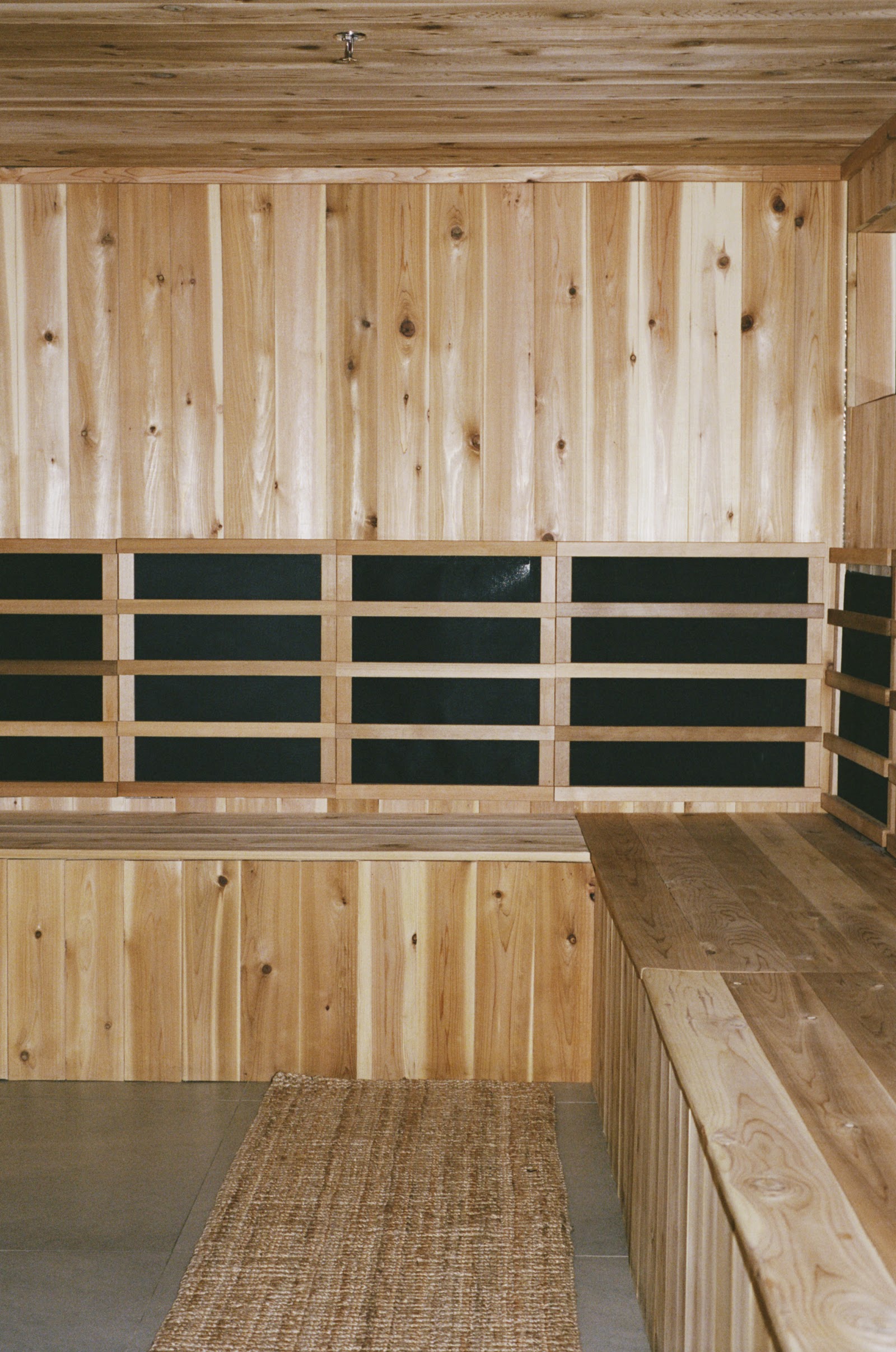
 Lore Bathing Club · 676 Broadway, NoHo
The Science of Hot and Cold
For thousands of years, cultures built daily life around heat and cold. Modern science is confirming what they always knew.
Lore Bathing Club · 676 Broadway, NoHoThe Evidence
Communities gathered around thermal bathing for health, for ritual, for recovery. Modern science is now catching up. Decades of longitudinal research confirm that regular heat and cold exposure produces real, measurable changes in cardiovascular health, inflammation, cognition, and mood.
At Lore, we built the environment around this evidence. Finnish sauna, infrared sauna, and a generous cold plunge — everything you need in a single 75-minute session.
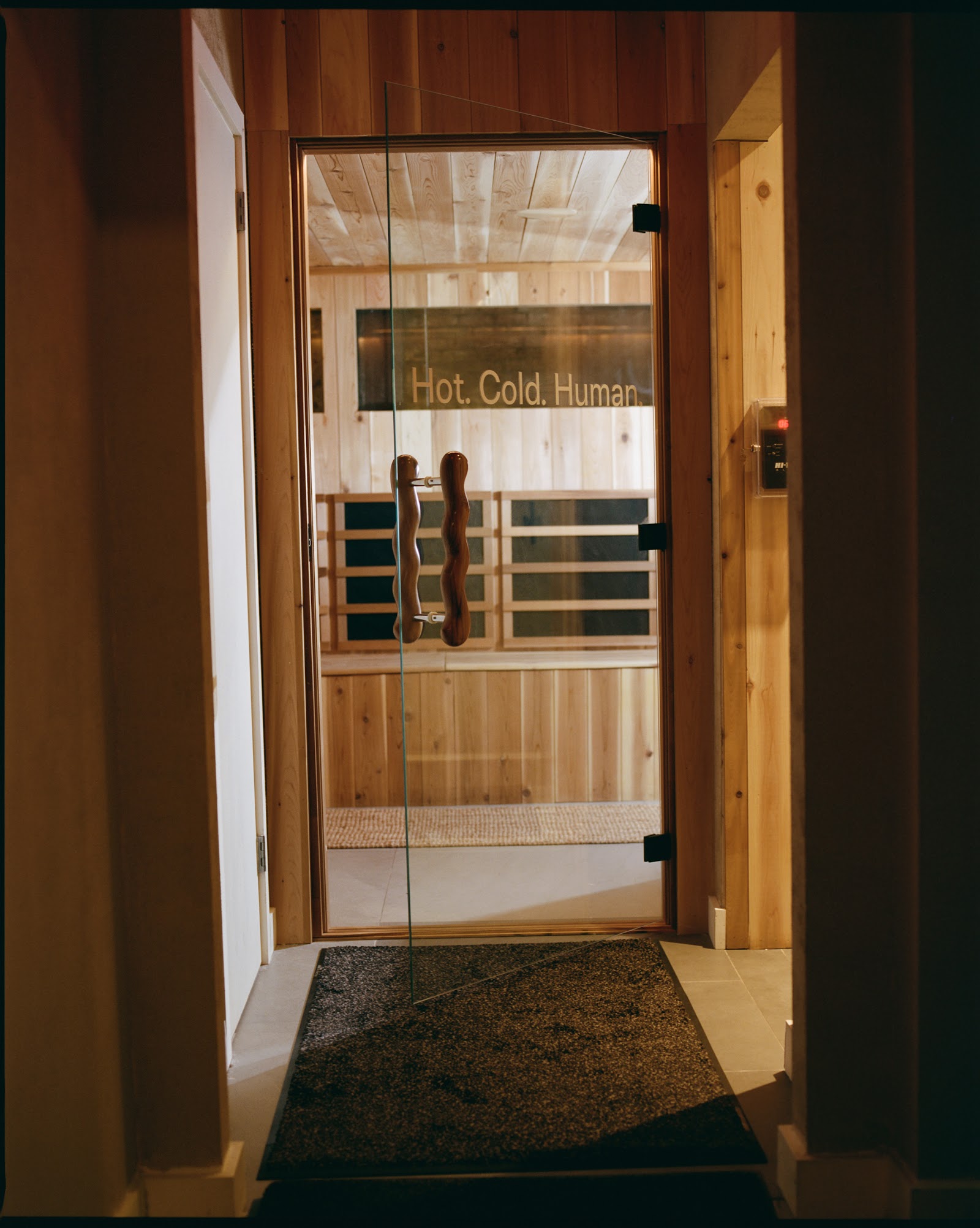 Hot. Cold. Human.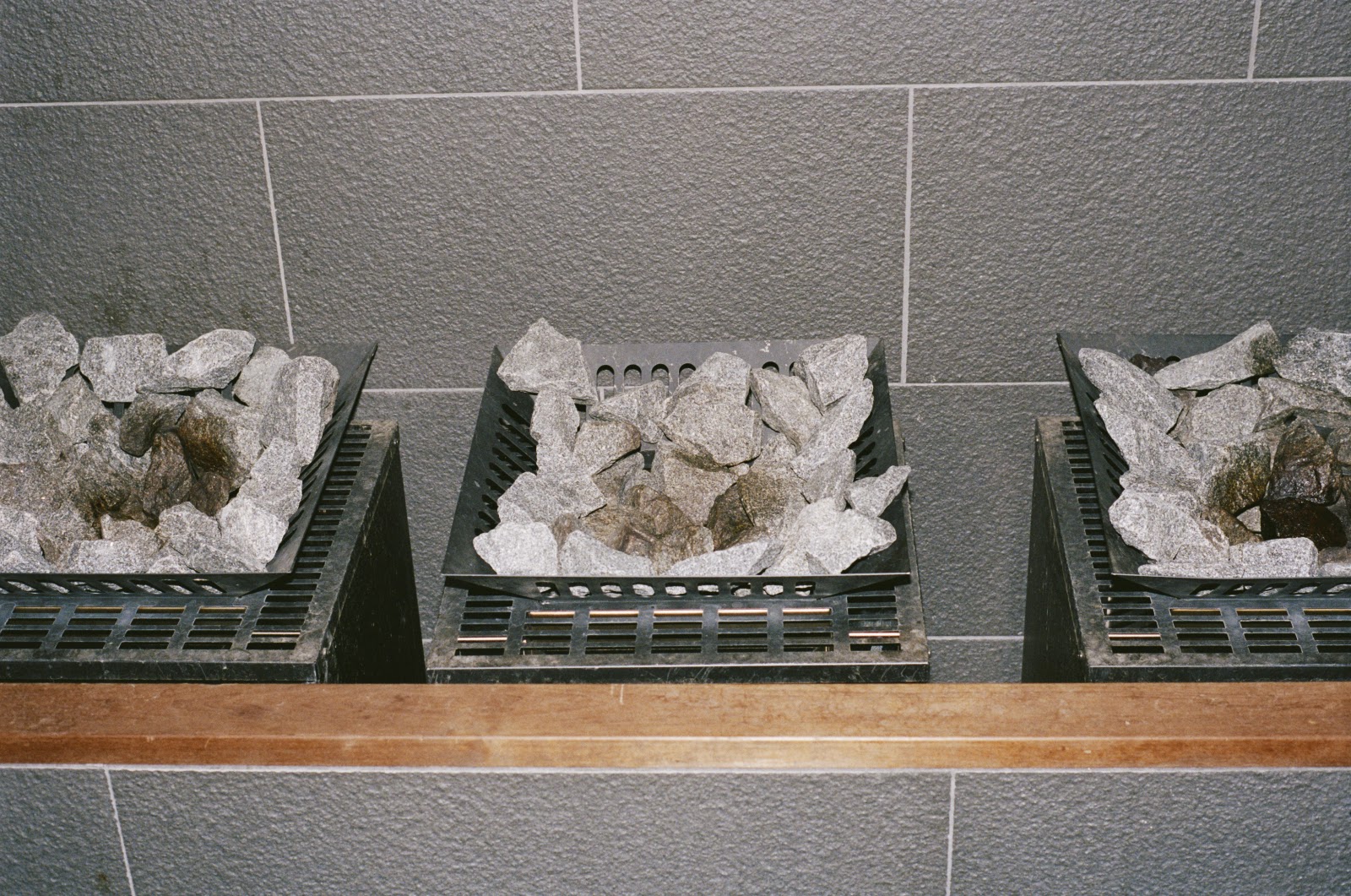
What Happens to Your Body
190° — Heat
Your heart rate elevates to 100–150 bpm. Blood vessels dilate. Cardiac output increases. The same hormonal cascade as moderate aerobic exercise — without the impact.
46° — Cold
Cold immersion activates the vagus nerve and triggers a powerful norepinephrine response. What follows is a window of calm, clarity, and resilience that outlasts the plunge itself.
Hot + Cold — Contrast
Repeated dilation and constriction acts like a cardiovascular workout. The nervous system reset is profound. Moving between heat and cold amplifies the benefits of each.
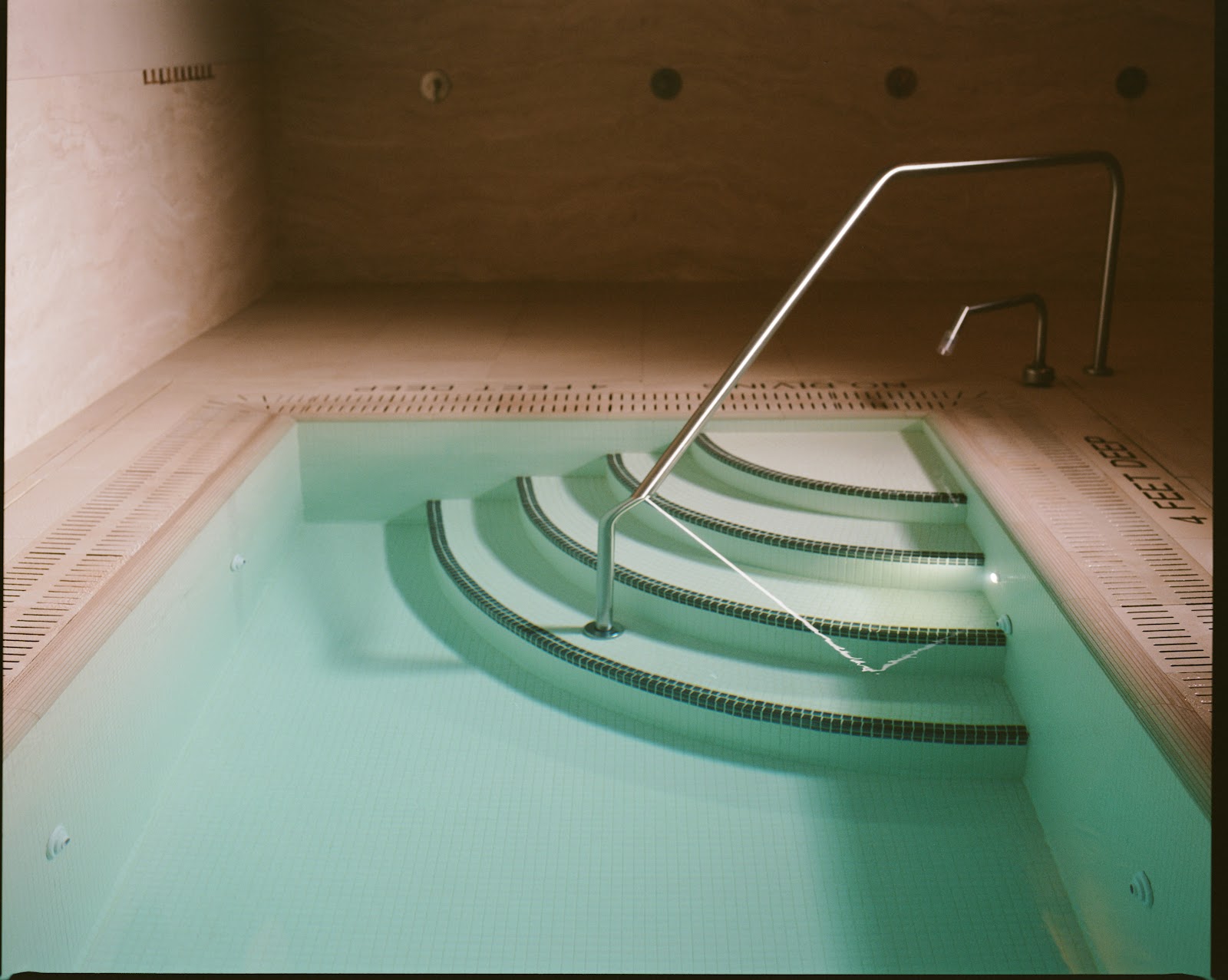 Cold Plunge
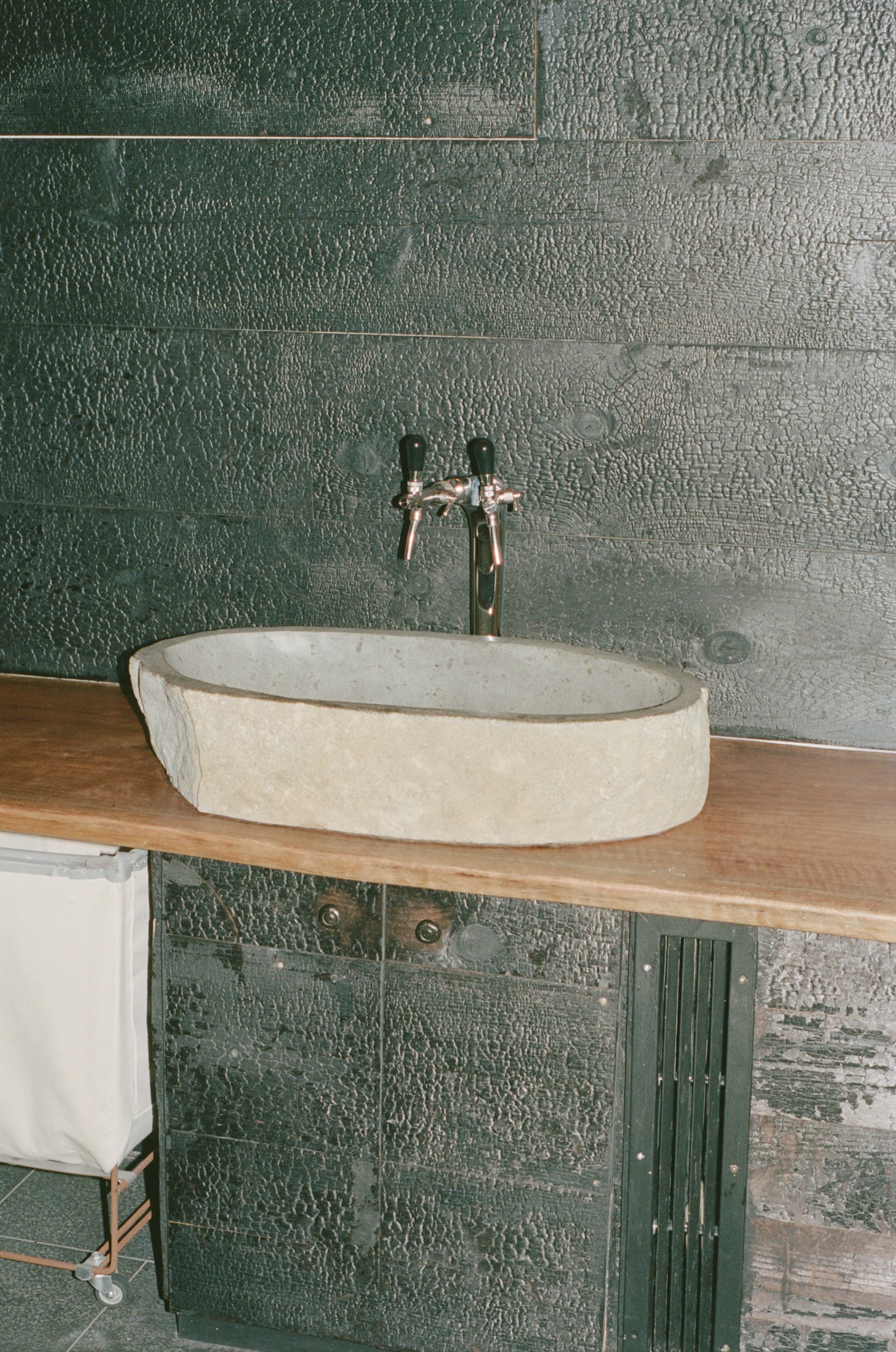 Material Detail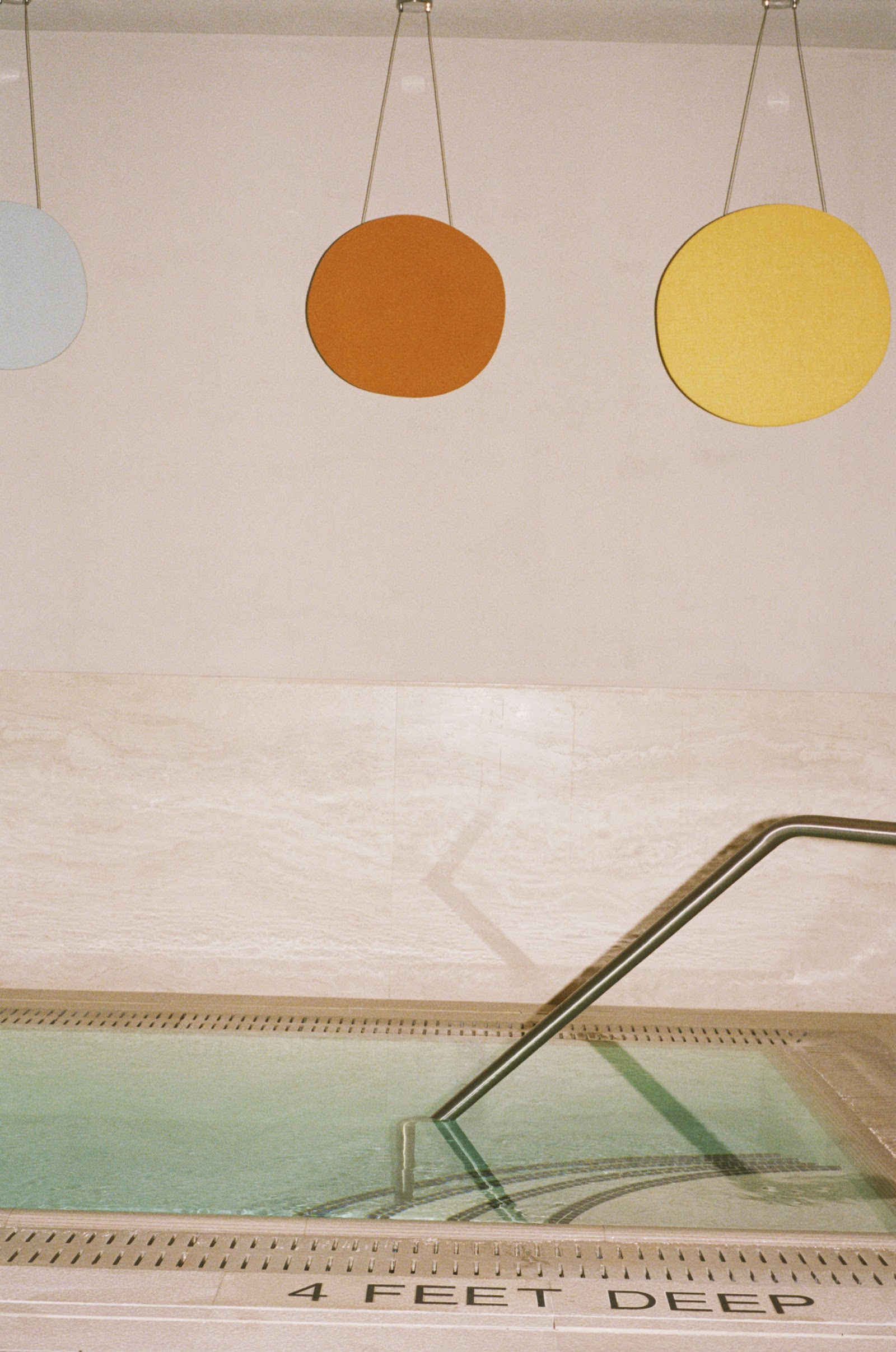
Built for Repetition
Frequency matters more than duration. The Finnish cohort studies that drive our protocol tracked people over 20 years — and the difference between occasional and regular use was stark.
The Data
The evidence isn’t anecdotal. It comes from longitudinal cohort studies, randomized controlled trials, and decades of clinical observation. Here are four findings that shaped what we built at Lore.
Men who used a sauna 4–7 times per week had a 40% lower risk of all-cause mortality and a 50% lower risk of fatal cardiovascular disease. The study followed 2,315 men over 20 years.
JAMA Internal Medicine — University of Eastern Finland, 2015
Immersion in cold water at 14°C increased plasma norepinephrine by 300% and dopamine by 250%. These neurotransmitters drive focus, alertness, and emotional regulation.
European Journal of Applied Physiology, 2000
In a 20-year Finnish cohort study, sauna use 4–7 times per week was associated with a 66% lower risk of dementia and a 65% lower risk of Alzheimer’s disease.
Age and Ageing, Oxford Academic — Laukkanen et al., 2017
Regular contrast therapy produced significant reductions in C-reactive protein and interleukin-6 — two key biomarkers of chronic systemic inflammation linked to heart disease and aging.
Frontiers in Physiology, 2021
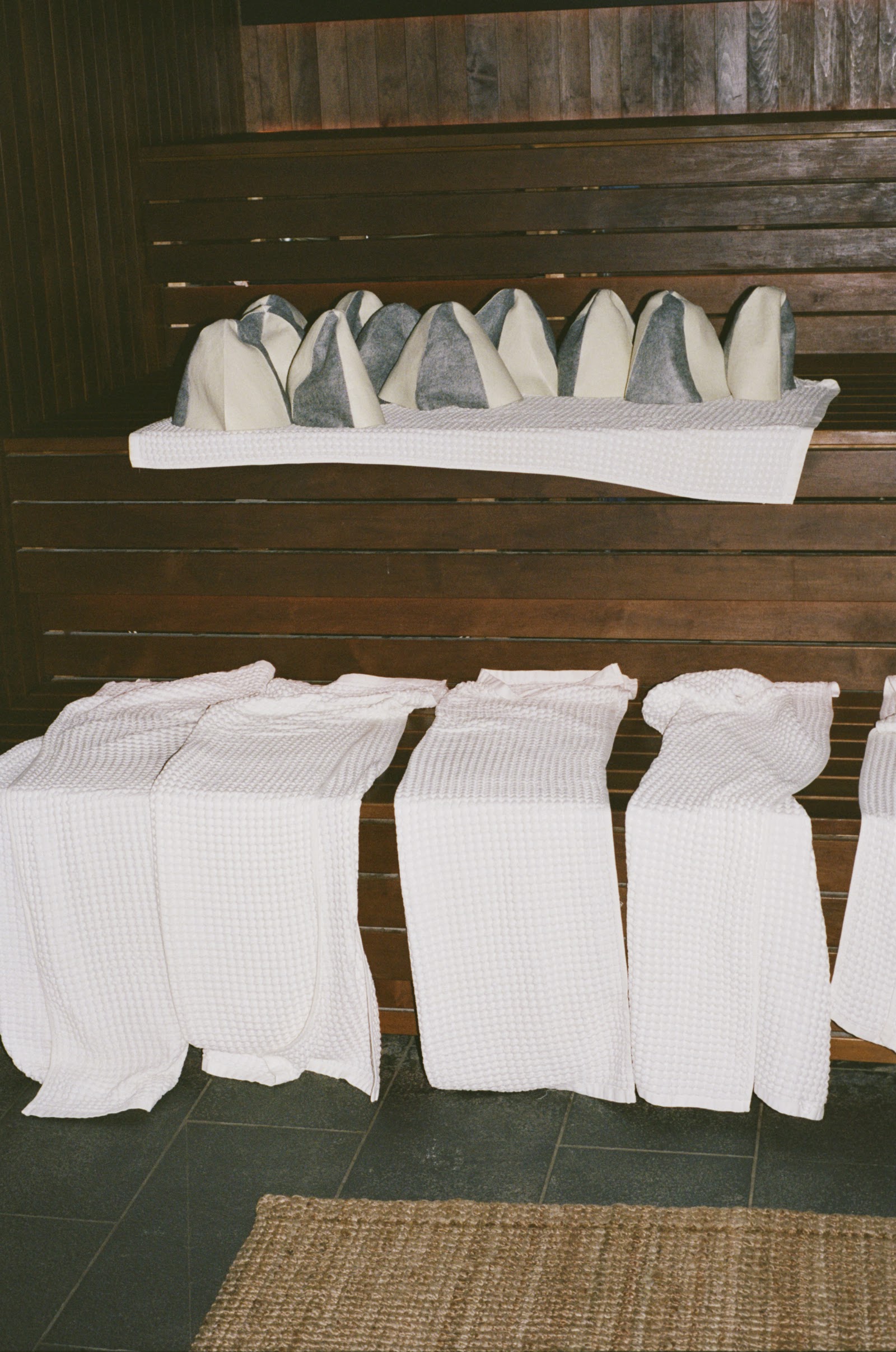
The Protocol
There is no wrong way to use the circuit. But for those who want to maximise the physiological benefit, here’s what the research suggests. Go at your own pace — Lore is not a class.
Begin in the Finnish or infrared sauna for 10–15 minutes. Let your core temperature rise gradually. Breathe slowly.
Enter the cold pool for 1–3 minutes. Control your breathing. The first 30 seconds are the hardest — then clarity follows.
Return to heat. Hydrate. Rest between rounds. Two to four cycles is the research-backed sweet spot.
Benefits accumulate. Two or more sessions per week is where the science shows sustained outcomes.
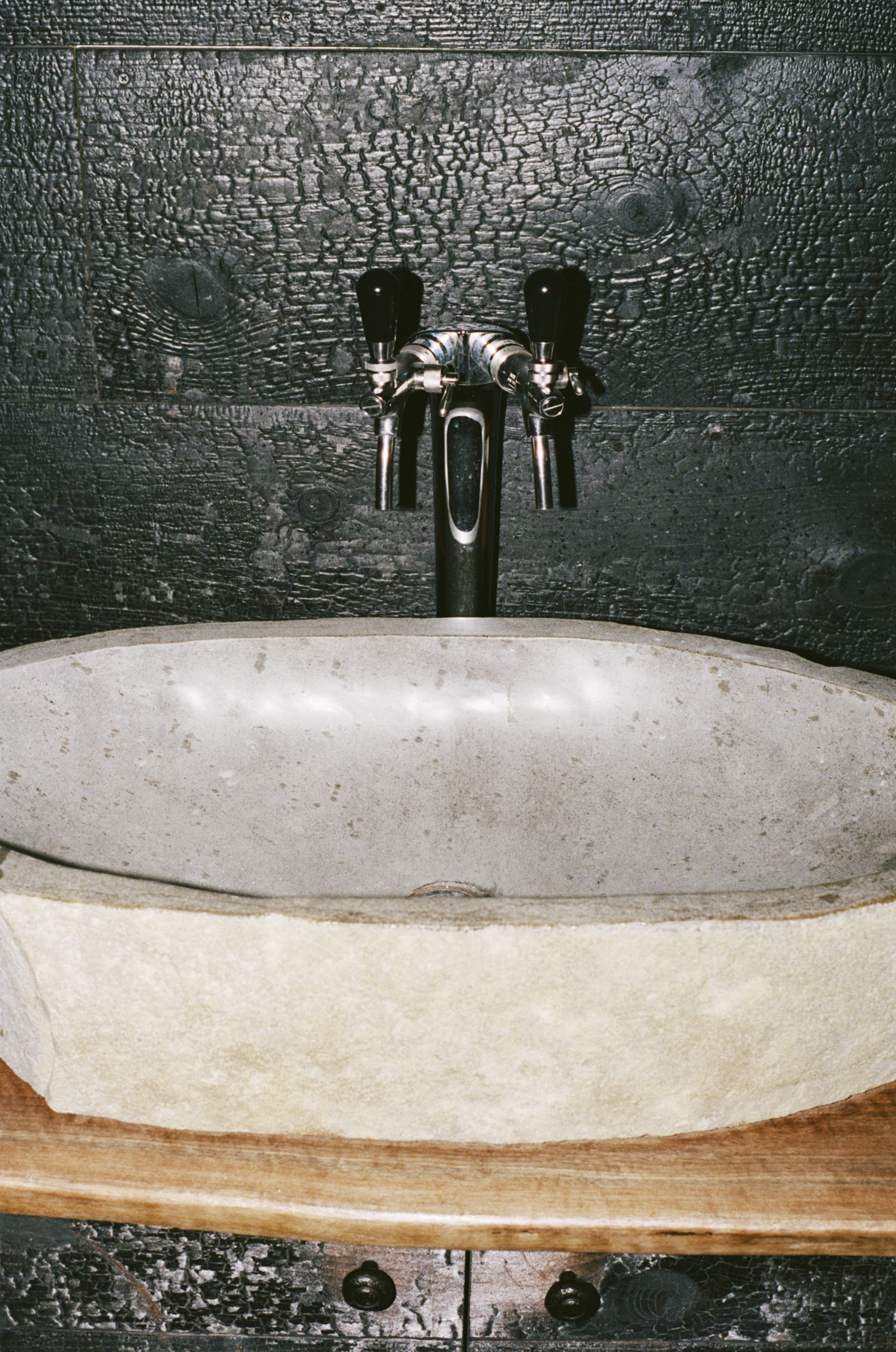 The Circuit
Experience the Evidence
Finnish sauna, infrared sauna, and cold plunge. 75 minutes. Open seven days a week.
HSA / FSA Eligible

Finnish sauna and infrared room. Core temperature rises, blood vessels dilate, heat shock proteins activate cellular repair. Heart rate mirrors moderate cardio.
Cold plunge. Vasoconstriction drives blood inward. Dopamine and norepinephrine surge 200–300%. Inflammatory markers drop. The discomfort is the mechanism.
Nervous system recalibrates. Heart rate settles. Parasympathetic dominance takes over. This is where adaptation happens — the deep calm is the product.
Cold exposure triggers a dopamine release comparable to certain medications — but it builds over minutes and lasts for hours. No crash. No dependency. Just sustained clarity.
Cold exposure lowers inflammatory cytokines while heat activates heat shock proteins that repair cellular damage. The contrast cycle rebalances your entire immune response.
Sauna raises core body temperature; the subsequent cool-down triggers melatonin production and deeper slow-wave sleep. Most guests report the effect from their very first session.
During sauna, heart rate rises to 120–150 bpm — equivalent to moderate cardio. A 20-year Finnish study of 2,300 men found 4–7 weekly sauna sessions cut mortality risk by 40%.