Crazy
Are we all nuts for loving this hot and cold dance?
Are we all nuts for loving this hot and cold dance? Do you ever feel a little crazy walking out of an intense session—like you just stepped out of ordinary life and back into it, but something doesn't fit the same way?
Change feels a lot like crazy to me.
Not "I need help" crazy. More like: my system is recalibrating. Like the old version of me is still standing there in the doorway, blinking, while the new version walks past him and doesn't explain himself.
Every time I move through a real session—one that asks something of me—I feel it. The shaking. The buzzing. The strange quiet after. The way my mind loses its grip for a moment and I'm left with the raw signal of being alive.
There's a kind of madness in willingly walking toward discomfort. In choosing heat that presses on your chest and makes your thoughts melt. In choosing cold that steals your breath and strips your plans and personalities down to one urgent sentence:
Breathe.
Maybe that's why it feels crazy. Because so much of modern life is built on avoiding sensation. We numb. We scroll. We snack. We overthink. We negotiate with ourselves all day. We live in our heads like it's safer up there.
And then you walk into a sauna and the body takes the microphone back.
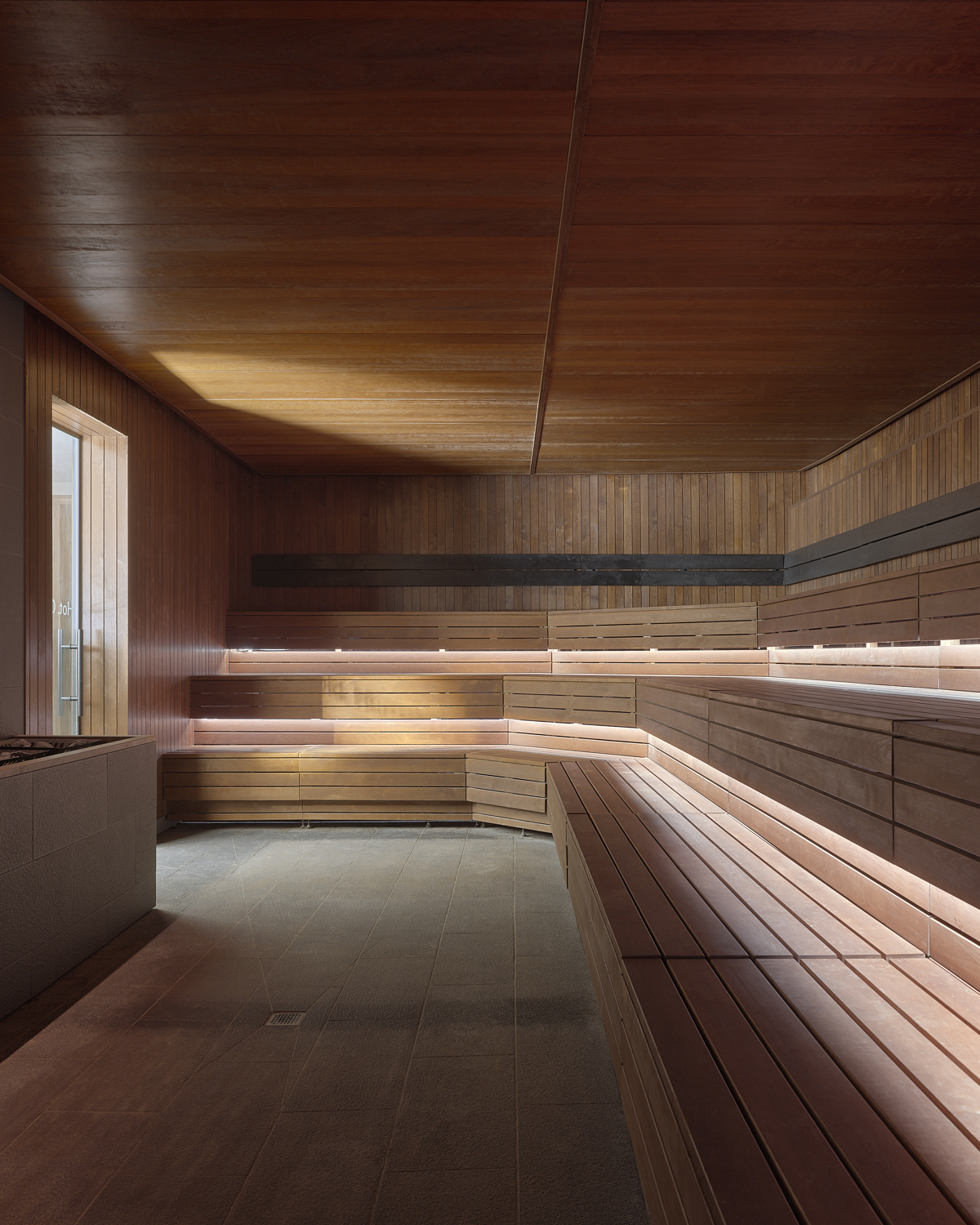
The heat doesn't care about your status or your schedule. It doesn't care about your story. It has one message: surrender. Not surrender like defeat—surrender like release. Like unclenching. Like being reminded you're not the manager of existence. You're a participant.
And then the cold comes, and it's even more honest.
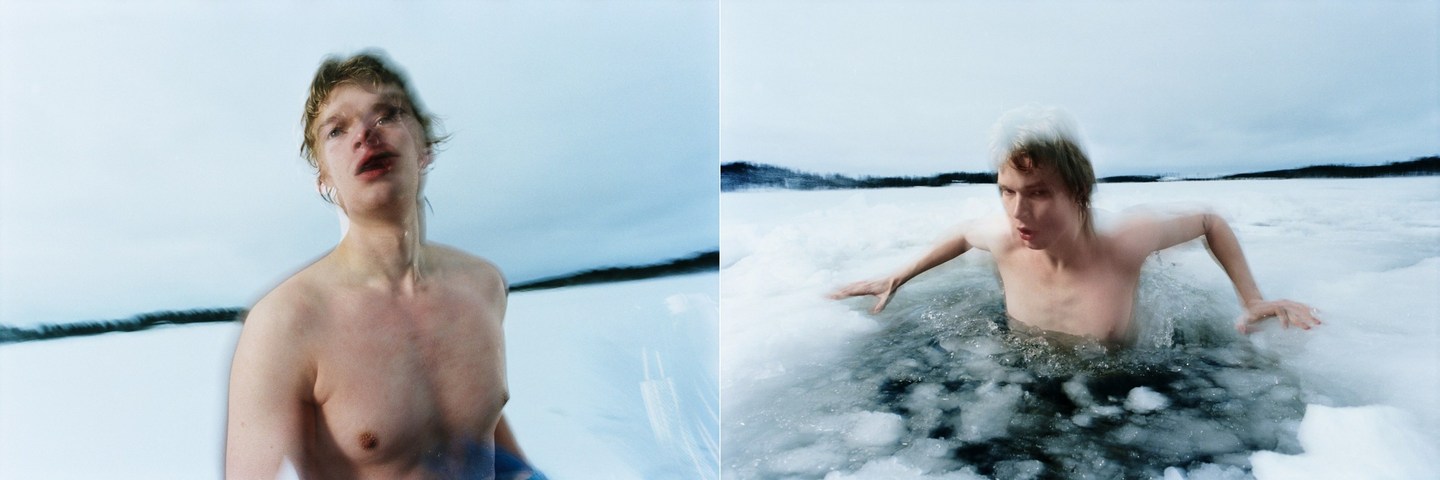
Cold is a truth serum. Cold is the great equalizer. Cold turns performance into presence instantly. You can't fake calm in cold water. You can't talk your way out of it. You meet yourself right there, right now—no edits.
I've noticed something: the part of me that feels "crazy" after a session is often the part of me that's losing control.
The mind loves control. It loves predictability. It loves rehearsing problems and living ten minutes ahead of the moment. But heat and cold don't let you live ten minutes ahead. They pull you back. They corner you into now.
And for a lot of us, now is unfamiliar.
Last year I committed to heat and cold in a new way. On weekends, I went out to Coney Island and entered the ocean—swimming without a wetsuit. It wasn't a stunt. It wasn't content. It was a private experiment in honesty.
Every time I walked toward that water, I could feel the internal negotiation start:
You don't have to do this. This isn't necessary. This is dumb. People are going to think you're insane.
And then I'd get in anyway.
At first it felt like violence—like my body was being attacked by the elements. But over time something changed. I started to feel the intelligence of the body. How it adapts. How it finds a rhythm. How it becomes less afraid when it realizes you're not abandoning it.
I learned that courage isn't a personality trait. It's a practice.
Each swim left me feeling a little crazy… and also strangely clean. Proud. Clear. Like I'd done something rare: I'd kept a promise to myself that no one else was watching.
During the week, I spent time at Flatiron Bathhouse almost daily. I wasn't just "relaxing." I was studying. Testing my thresholds. Learning how long I could handle the heat. Watching the other guests—who rushed, who lingered, who talked, who stayed silent, who treated it like a nightclub, who treated it like a temple.
I started noticing the subtle rituals people carry without knowing it.
Some people do the sauna like a checklist. In, out, done. Some people do it like confession. Like they came to empty something heavy. Some people look like they're chasing a high. Some people look like they're trying to remember how to feel.
I watched Aufguss like it was a language I didn't speak yet. The towels. The precision. The drama of air being sculpted and delivered like medicine. The way a room becomes a shared organism. The way strangers go from isolated individuals to a kind of temporary tribe—breathing together, enduring together, laughing together after.
And sometimes I'd be standing in the cold plunge, breath ragged, heart awake, thinking:
Am I completely insane for loving this so much?
Then I started watching my life change around it.
Not in a motivational poster way. In a quiet, undeniable way.
I started sleeping better—real sleep. Deep sleep. The kind of sleep where you wake up and your body feels like it actually went somewhere restorative. No more reaching for the over-the-counter stuff I'd leaned on for years just to shut the brain down at night.
I started drinking less—not from discipline, but because my system wanted clarity more than escape.
I started losing weight—not from forcing anything, but because the cravings that came from numbness started to fade. The body wasn't begging for relief in the same way.
I woke up earlier. I moved more. I exercised with intention, not punishment. I became less interested in "proving" and more interested in "tuning."
And then something even deeper happened:
I started to recognize myself again.
Not the version of me that performs competence. Not the version of me that keeps it together. Not the version of me that pushes through everything with willpower and coffee.
The more essential version.
The one that can feel joy without earning it. The one that can sit still without needing a distraction. The one that can handle discomfort without creating a story about it. The one that can be with people—really be with them—with less armor.
That's the crazy part: hot and cold isn't just changing my body. It's changing my relationship to myself.
It's shedding. It's stripping. It's a slow return.
Sometimes after a session I feel like a different person for an hour. My senses are louder. My thoughts are quieter. My heart feels closer to the surface. My patience expands. My humor comes back. It's like I'm more available—to life, to other people, to whatever is true in me that day.
And that version of me can feel "crazy" because it's unfamiliar.
But maybe it's not crazy at all.
Maybe it's sanity—finally.
Maybe the numbness is the illness. Maybe the constant avoidance is the weird part. Maybe the addiction to comfort is what we've normalized.
Maybe what we call "crazy" is just the nervous system remembering it was built to meet the elements.
Fire. Water. Breath. Stillness.
And here's what I'm starting to believe:
We don't do this practice because we're tough. We do it because we want to feel.
We want to clear the noise. We want to burn off the excess. We want to rinse the mind. We want to come back into the body like coming home after being away too long.
So yes—sometimes I feel crazy after a session.
But it's the good kind.
It's the kind of crazy that says: You're alive. You're changing. You're becoming.
**