Different Types of Heat
How Cultures Around the World Learned to Heal With Fire
How Cultures Around the World Learned to Heal With Fire
Every culture that learned to tend fire eventually learned to sit with it.
Heat is one of humanity’s oldest medicines. Long before supplements, diagnostics, or wellness language, people gathered around hot stones, steam, and flame to cleanse the body, steady the mind, and reconnect.
What changes from culture to culture is not why we use heat—but how we relate to it.
Below are some of the most influential heat traditions in the world, each carrying its own rhythm, temperament, and wisdom.
Native American Sweat Lodge (Inipi)
The sweat lodge is a ceremonial structure—low, dark, and earth-covered. Heated stones are brought in from an external fire, and water is poured over them to create dense steam. The experience is guided by a ceremonial leader and unfolds in intentional rounds.
Among Lakota, Dakota, and many other tribes, the sweat lodge—often called Inipi—is a sacred rite of purification, prayer, and rebirth. The lodge represents the womb of Mother Earth. Entering is symbolic death; exiting is rebirth.
This is not a wellness treatment. It is ceremony. Participants come with humility, intention, and respect.
Physiologically, the intense steam induces deep sweating, stimulates circulation, and activates the parasympathetic nervous system after stress. Psychologically and emotionally, the ritualized breath, chanting, and shared vulnerability often lead to powerful emotional release and clarity.
Heat here is prayer.
Russian Banya
The Russian banya is loud, physical, and deeply social. Heat and steam are high, and the experience is intensified through the use of venik—bundles of birch or oak branches used to strike the body and circulate heat.
For over a thousand years, banyas have been central to Russian life. Babies were born in them. Illnesses were treated in them. Important conversations happened in the heat. Folklore even describes a bathhouse spirit, the Bannik, who demanded respect.
The banya differs from many other traditions in its intensity. Heat is not passive—it is worked into the body. Whisking stimulates blood flow, releases aromatic oils, and activates the lymphatic system. Cold plunges, snow rolls, and frigid showers complete the cycle.
This contrast drives strong endorphin release, immune activation, and cardiovascular adaptation.
Heat here is endurance and camaraderie.
Finnish Smoke Sauna (Savusauna)
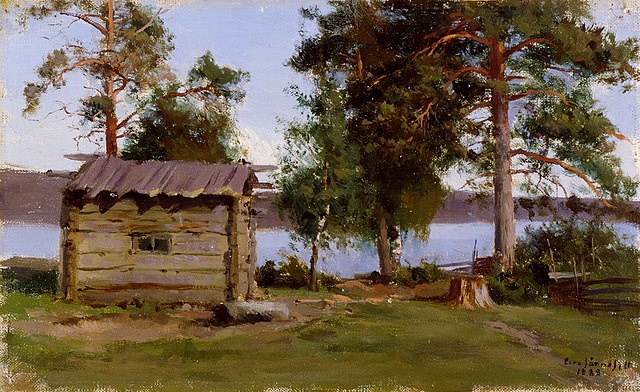
The smoke sauna is the oldest form of Finnish sauna. There is no chimney. A fire burns for hours, filling the room with smoke while heating a massive pile of stones. Once the fire is extinguished and the smoke released, the sauna is ready.
What remains is an incredibly soft, enveloping heat—deep, radiant, and calm.
Historically, savusauna was the most sacred space in Finnish life. People were born there. The dead were washed there. Major life transitions passed through its walls.
From a physiological standpoint, the radiant heat penetrates deeply without the sharp stress of active flames. Cortisol levels drop. Muscles soften. The nervous system settles.
The experience is slow, quiet, and reverent.
Heat here is memory and ancestry.
Finnish Sauna (Modern)
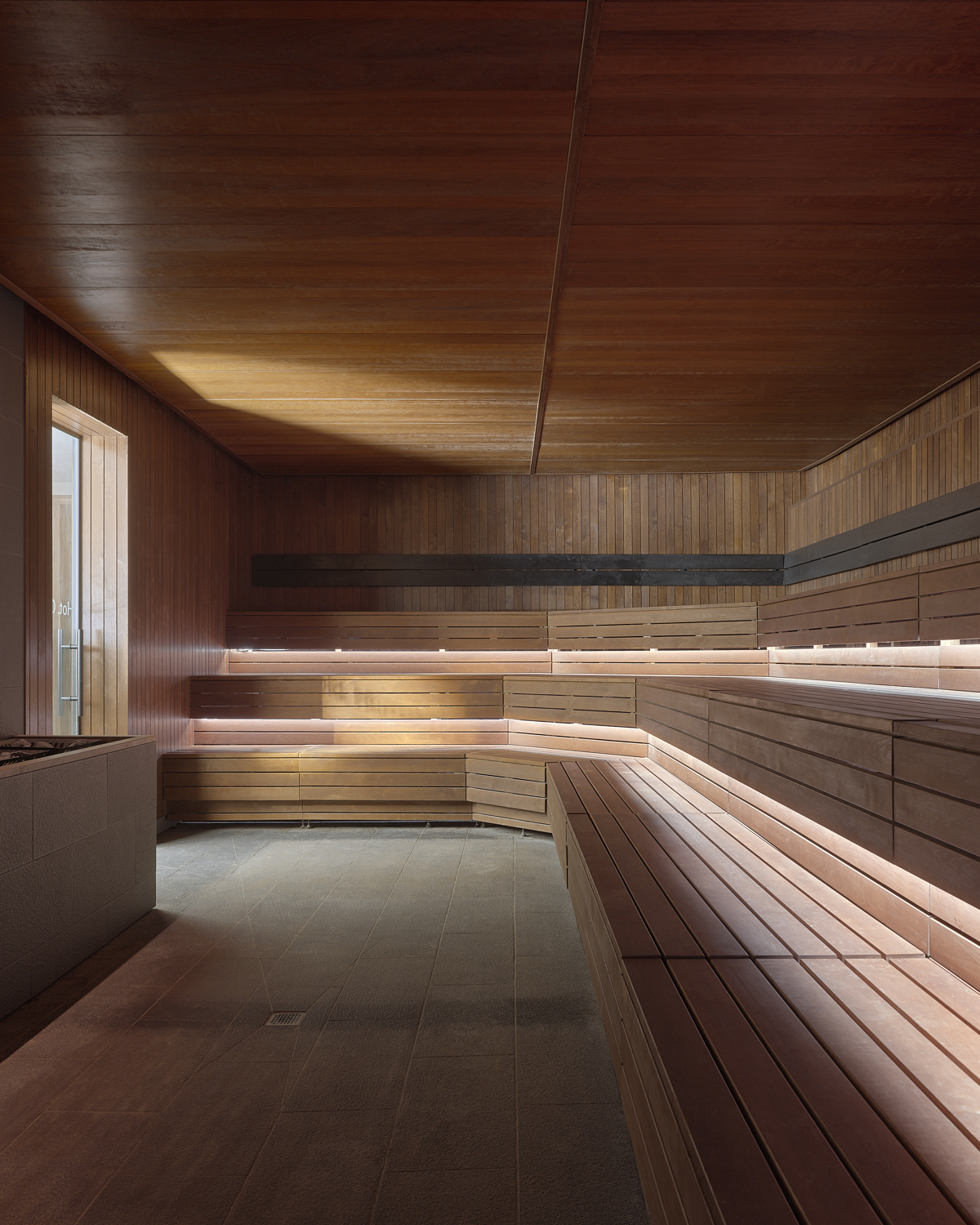
The modern Finnish sauna is simple by design: a wooden room, hot stones, and water poured intentionally to create löyly—the living steam.
Temperatures are high, but humidity is controlled. Silence is often welcomed. Conversation, when it happens, is unforced and honest.
Sauna in Finland is not an event—it’s a routine. A place where hierarchy dissolves and the body is listened to rather than pushed.
Scientifically, regular sauna use is associated with improved cardiovascular health, increased heat-shock protein production, better sleep, and enhanced nervous system regulation. Growth hormone release and circulation improvements support recovery and longevity.
Heat here is consistency and humility.
South American Steam Lodge (Temazcal)
The temazcal is a stone or earthen dome used by Aztec and Mayan cultures for healing and spiritual purification. Herbal infusions are added to the steam, and the ceremony unfolds in rhythmic rounds guided by a leader.
The structure represents the womb of the earth, and the experience mirrors a cycle of death, release, and rebirth. Drumming, chanting, and breath guide participants through each phase.
Herbal steam supports respiratory health, while heat and rhythm induce meditative brain states. Emotionally, the experience often unlocks deep release and insight.
Heat here is transformation.
Infrared Sauna
Infrared sauna is a modern innovation. Instead of heating the air, infrared light penetrates tissue directly, warming the body from the inside out at lower ambient temperatures.
This makes it accessible to people who are heat-sensitive or seeking shorter, solo sessions. The experience is typically quiet and individual.
Research suggests benefits including increased circulation, muscle recovery, pain reduction, mitochondrial stimulation, and detoxification through sweat.
What infrared lacks in ritual, it makes up for in accessibility.
Heat here is accommodation.
Hammam (Turkish Bath)
The hammam evolved from Roman bathhouses and flourished during the Ottoman Empire. It is a sequence of warm, hot, and cool rooms designed for cleansing, relaxation, and social connection.
Unlike extreme heat traditions, hammams emphasize gradual warming, washing, scrubbing, and massage. The ritual is communal and deeply tied to care, especially within women’s culture.
Physiologically, the steam improves circulation, softens connective tissue, and supports skin health. Psychologically, the ritual of being cared for in public fosters trust and belonging.
Heat here is care and community.
What This Reveals
All heat traditions work on the same human systems: nervous system regulation, circulation and detoxification, emotional release, social bonding.
No one tradition is “better.” They simply answer different human needs.
This is why mixing heat styles—intensity with gentleness, ritual with routine—creates a more complete practice.