Boost Your Immune System With This Ritual
Thermal contrast is one of the most well-supported immune modulators available without a prescription.
Boost Your Immune System With This Ritual
Cold season in a city like New York is not just a metaphor. The subway cars, the office buildings with their cycled air, the crowded elevators -- the city makes exposure inevitable. The question is not whether your immune system will be challenged. It is whether it is prepared.
The good news: thermal contrast is one of the most well-supported immune modulators available without a prescription.
The Science
Sauna and immune function have been studied extensively in Finland, where the practice has been part of daily life for thousands of years.
Heat exposure has been shown to:
- Increase white blood cell count -- specifically natural killer cells and lymphocytes, which are the primary defenders against viral infection.
- Reduce c-reactive protein, a key marker of systemic inflammation, with regular use.
- Improve lymphatic flow through expanded circulation -- the lymphatic system has no pump of its own and relies on movement and temperature change to circulate.
Cold exposure has been shown to:
- Activate brown adipose tissue, which produces heat and triggers adaptations in metabolic regulation.
- Trigger a norepinephrine surge that has anti-inflammatory effects -- reducing the chronic low-level inflammation that undermines immune function.
- Increase the production of antioxidant enzymes in several key studies.
The combination is additive. Sauna alone helps. Cold alone helps. Thermal contrast is more effective than either alone.
The Protocol
How often: Two to three sessions per week for meaningful immune benefit.
How hot: Above 170F ideally -- the threshold at which the body activates heat shock proteins.
How cold: As cold as comfortably possible. One to two minutes.
Where to Practice It
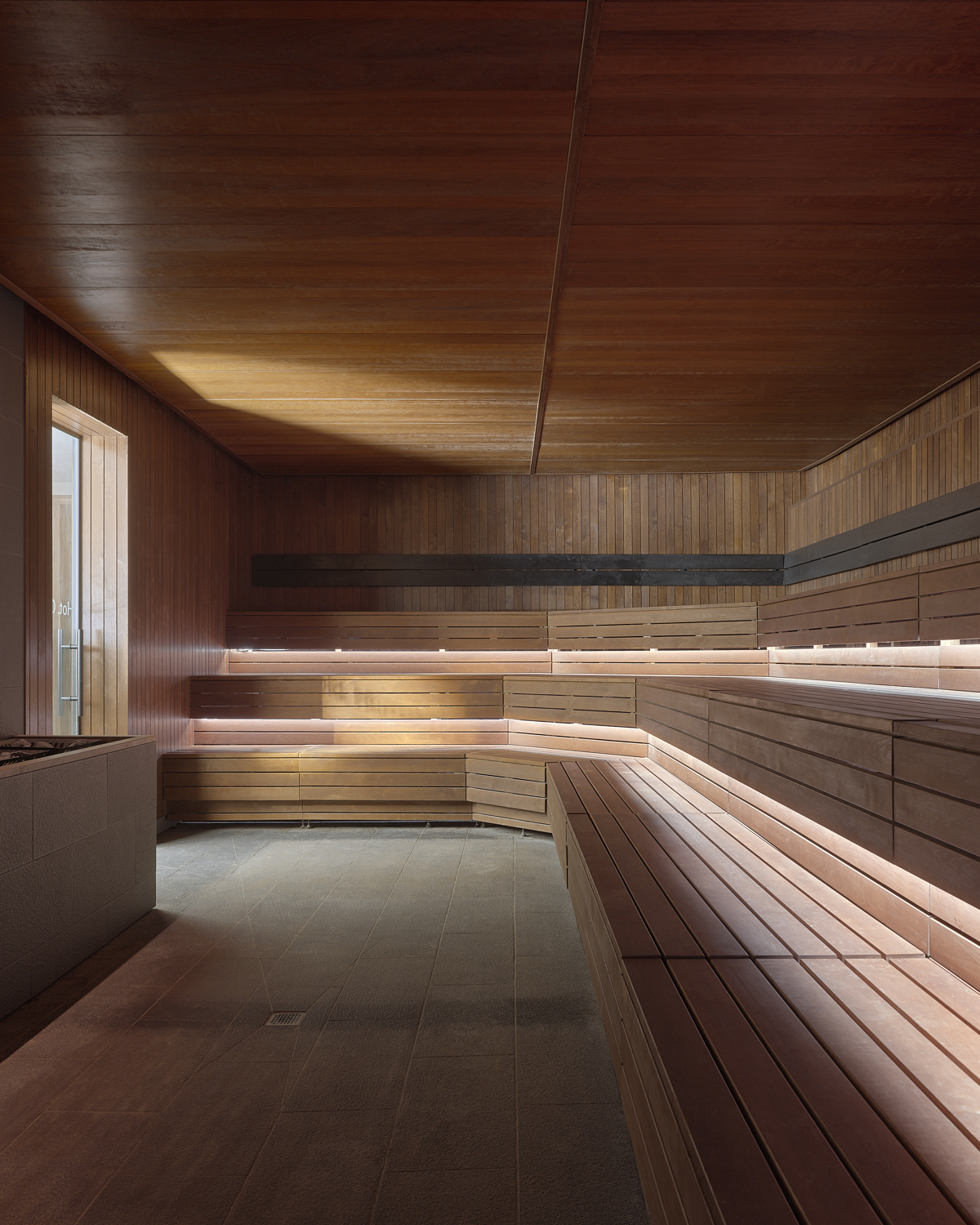
Lore Bathing Club, at 676 Broadway in SoHo, offers high-heat sauna and cold plunge in a space designed for the full ritual. Memberships and day passes available.
Your immune system is trainable. It responds to regular input. Give it the input it was designed for.