Different Types of Heat
Every culture that learned to tend fire eventually learned to sit with it. Heat is one of humanity's oldest medicines. A report from Lore.
Every culture that learned to tend fire eventually learned to sit with it.
Heat is one of humanity's oldest medicines—used long before modern wellness for cleansing, steadying the mind, and reconnecting. While the reasons cultures use heat are universal, how we relate to it varies significantly across traditions.
Native American Sweat Lodge (Inipi)
This ceremonial structure involves heated stones and water creating dense steam, guided by a leader through intentional rounds. Among Lakota and Dakota tribes, it represents the womb of Mother Earth, with entry symbolizing death and exit representing rebirth. This is ceremony, not wellness treatment—producing physiological effects including deep sweating and parasympathetic nervous system activation.
Russian Banya
Loud, physical, and deeply social, the banya uses venik (birch or oak branch bundles) to intensify the experience. It's been central to Russian life for over a thousand years. Heat contrasts with cold plunges drive endorphin release and cardiovascular adaptation.
Finnish Smoke Sauna (Savusauna)
The oldest sauna form, featuring no chimney—fire burns for hours before extinguishing. The result is soft, enveloping heat—deep, radiant, and calm. Historically the most sacred Finnish space, it lowers cortisol and settles the nervous system.
Finnish Sauna (Modern)
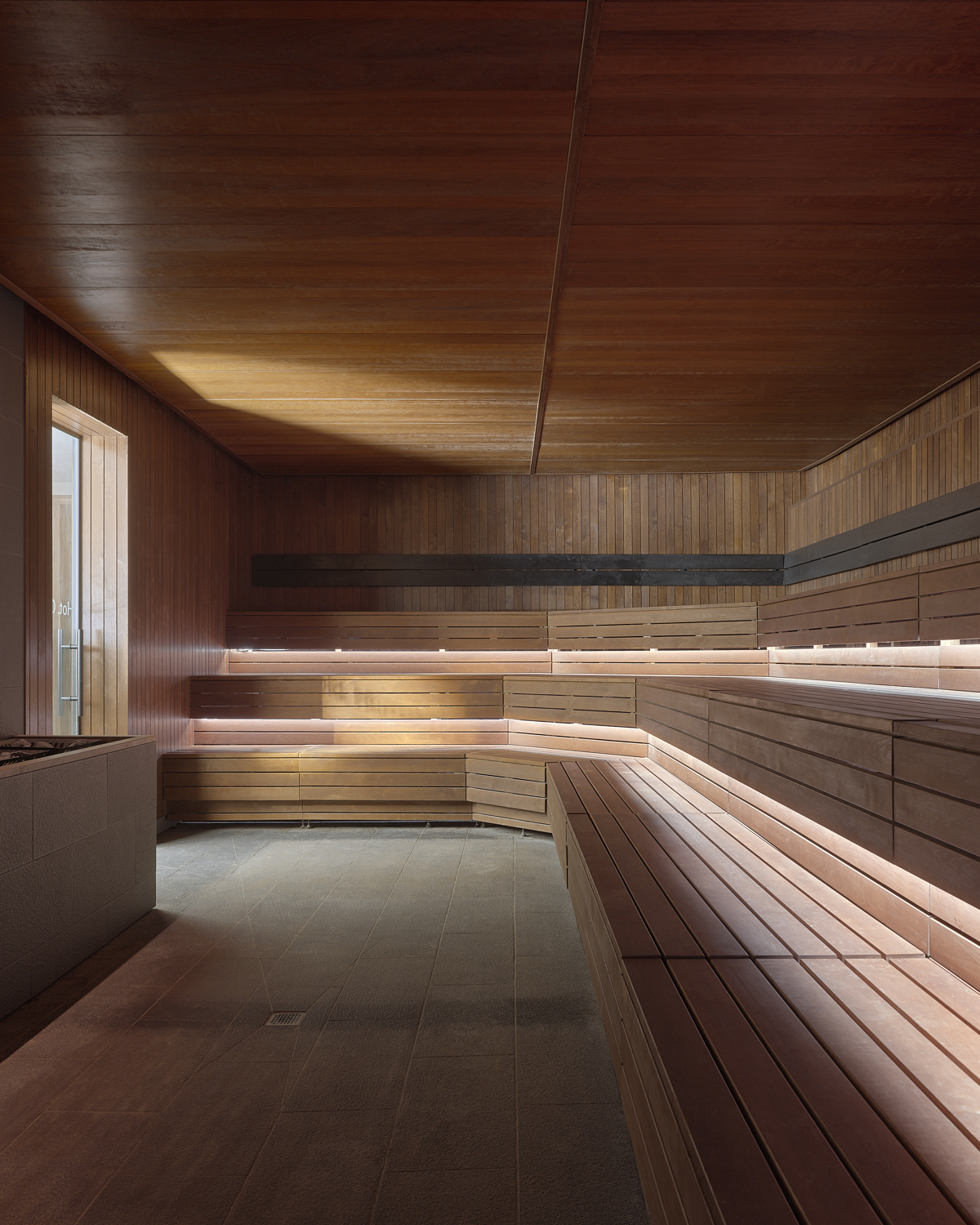
Simple design: wooden room, hot stones, water creating löyly—the living steam. Regular use is associated with cardiovascular health, heat-shock protein production, better sleep, and nervous system regulation.
South American Steam Lodge (Temazcal)
Stone or earthen dome used by Aztec and Mayan cultures, with herbal infusions added to steam. The structure represents earth's womb, with drumming and chanting guiding participants through cycles of release and rebirth.
Infrared Sauna
A modern innovation using infrared light to warm the body directly at lower ambient temperatures. Benefits include increased circulation, muscle recovery, and pain reduction—offering accessibility though lacking the ritual elements of older traditions.
Hammam (Turkish Bath)
Evolved from Roman bathhouses, emphasizing gradual warming through sequences of warm, hot, and cool rooms. Communal and tied to care—particularly within women's culture—fostering trust and belonging.
What All Heat Has in Common
Every tradition works on the same human systems: nervous system regulation, circulation, detoxification, emotional release, and social bonding. What differs is the relational approach. Some traditions demand surrender, others endurance. Some offer care while others invite prayer.
No one tradition is better. Mixing styles creates a more complete practice.
At Lore, we draw from all of them.
Lore is a bathing club at 676 Broadway, NoHo, NYC.